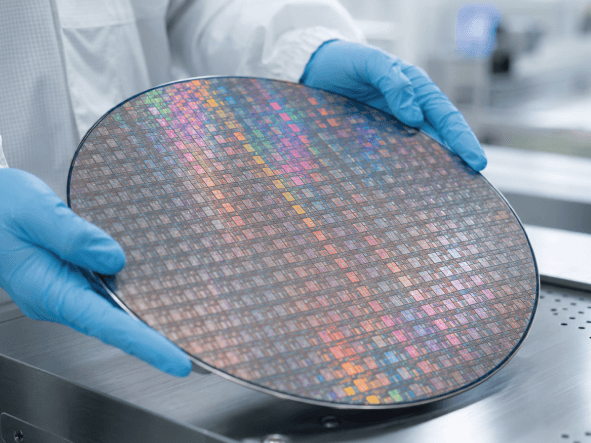
Vacuum Coating
Measurement and control pathways for vacuum coating equipment, including vacuum generation, process gas delivery, residual gas analysis, and sealing.
Industry Scope
Vacuum Coating
Thin-film process stability comes from the coordination of gas input, chamber state and the vacuum system; the nominal parameters of a single component cannot replace judgment of the whole process window.
The product portfolio covers process gas delivery, flow and pressure actuation, chamber composition monitoring and modular gas-line connection.
Photovoltaic cell manufacturing resembles semiconductor fabs but runs at GW-scale lines with higher gas volumes and faster cadence. From BSF and PERC to TOPCon and HJT, technology evolution keeps raising the variety and volume of process gases. MFCs are essential in diffusion furnaces, PECVD, and LPCVD tools; their accuracy directly drives cell yield and line stability.
PECVD is the core deposition step. PERC lines use TMA/N₂O for the rear Al₂O₃ passivation and SiH₄ (200–1000 sccm) with NH₃ (2–10 slm) for the front SiNₓ anti-reflection layer — silane demands metal-sealed MFCs with VCR fittings and normally-closed valves. TOPCon adds LPCVD/PECVD-Poly with phosphine or diborane doping (toxic, requiring double-concentric tubing and helium leak checking). HJT is extremely sensitive to O₂/H₂O and needs electropolished flow paths, with 2–3× the silane usage of PERC.
In diffusion furnaces, dopant flow (PH₃, B₂H₆) determines doping uniformity and thus cell efficiency; pressure controllers stabilize the liquid source against the chamber. For high-temperature processes, MFCs need composite heat-sink structures to hold within ±0.5% at 200–300°C+ gas inlet temperatures.
Safety and cleanliness are the baseline: silane is pyrophoric, toxic-gas wetted parts need corrosion-resistant alloys, and MFCs should be metal-sealed and helium-checked. Digital MFCs deliver sub-second response for fast pump/vent cycles.
HNR supplies flow and pressure control components matched to PERC/TOPCon/HJT lines, covering high-purity delivery and precise proportioning of silane, ammonia, and phosphine.
Process Path
Key Process Stages
01
Establishing the Background
Identify chamber outgassing, contamination and potential leaks before gas is introduced.
02
Process Gas Delivery
Organize stable gas input according to the media and process cadence.
03
Process Monitoring
Observe process state changes through pressure and composition trends.
04
Post-Maintenance Verification
Re-check atmosphere recovery after cleaning, target changes or chamber opening.
Engineering Constraints
Measurement and Control Challenges
Background Interference
Water vapor, hydrocarbons and historical residues can affect process judgment.
Interface Boundaries
Flanges, seals, mounting orientation and pumping paths need coordinated design.
Trend Interpretation
Diagnostics must combine equipment actions and process recipes rather than single readings.
Solution Path
From Operating Conditions to System Configuration
Analyze flow setpoints, pressure changes, equipment actions and composition trends on the same time axis, then decide measurement points and product configuration.
The scope and interfaces of vacuum gauges, residual gas analyzers and gas-line components are confirmed against actual operating conditions.
Related products
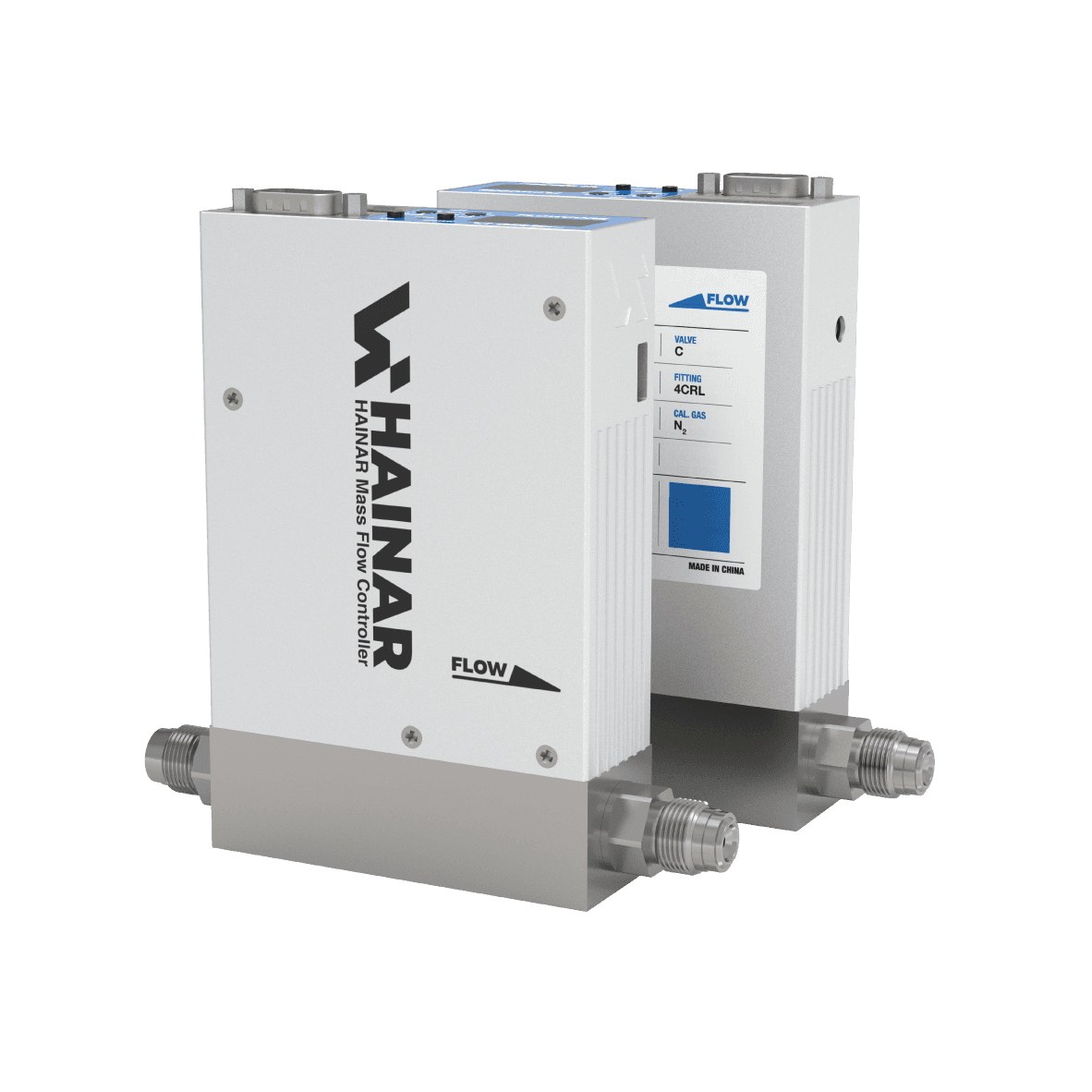
PS300 Differential-Pressure Mass Flow Controller
Differential-pressure mass flow controller for precision fluid control and ultra-high-purity gas systems. High-speed pressure sensors and fast, stable piezoelectric actuators combined with a 32-bit CPU deliver response below 0.8 s across the full flow range. Calibrated against real process gases with a built-in gas property database.
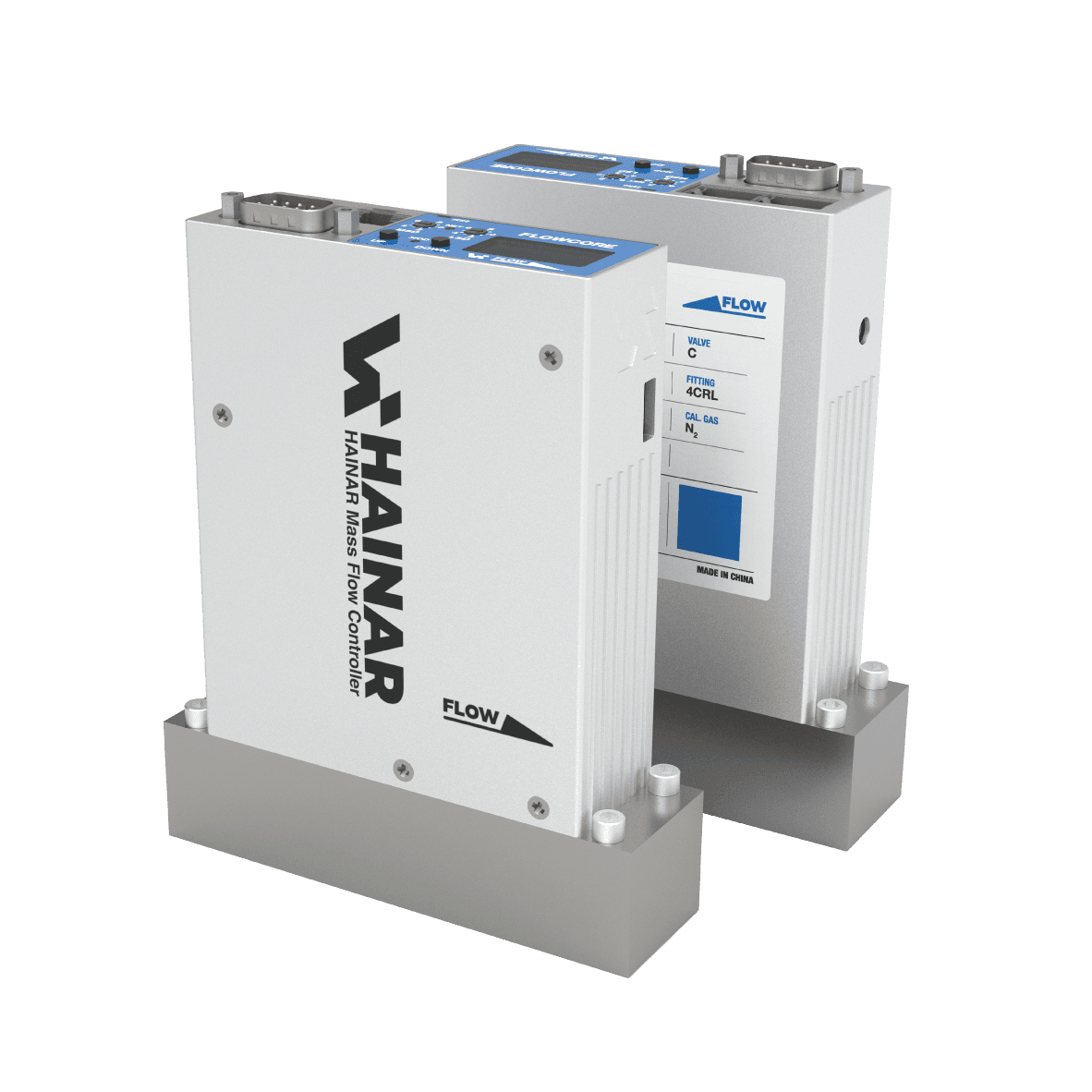
PS500 Differential-Pressure Mass Flow Controller
Precision gas flow control for advanced semiconductor manufacturing. Measures differential pressure across a laminar flow element for high-sensitivity wide-range flow measurement. Low dead-volume piezoelectric metal diaphragm inlet valve with a 2 ms control cycle delivers fast response and high-resolution control.
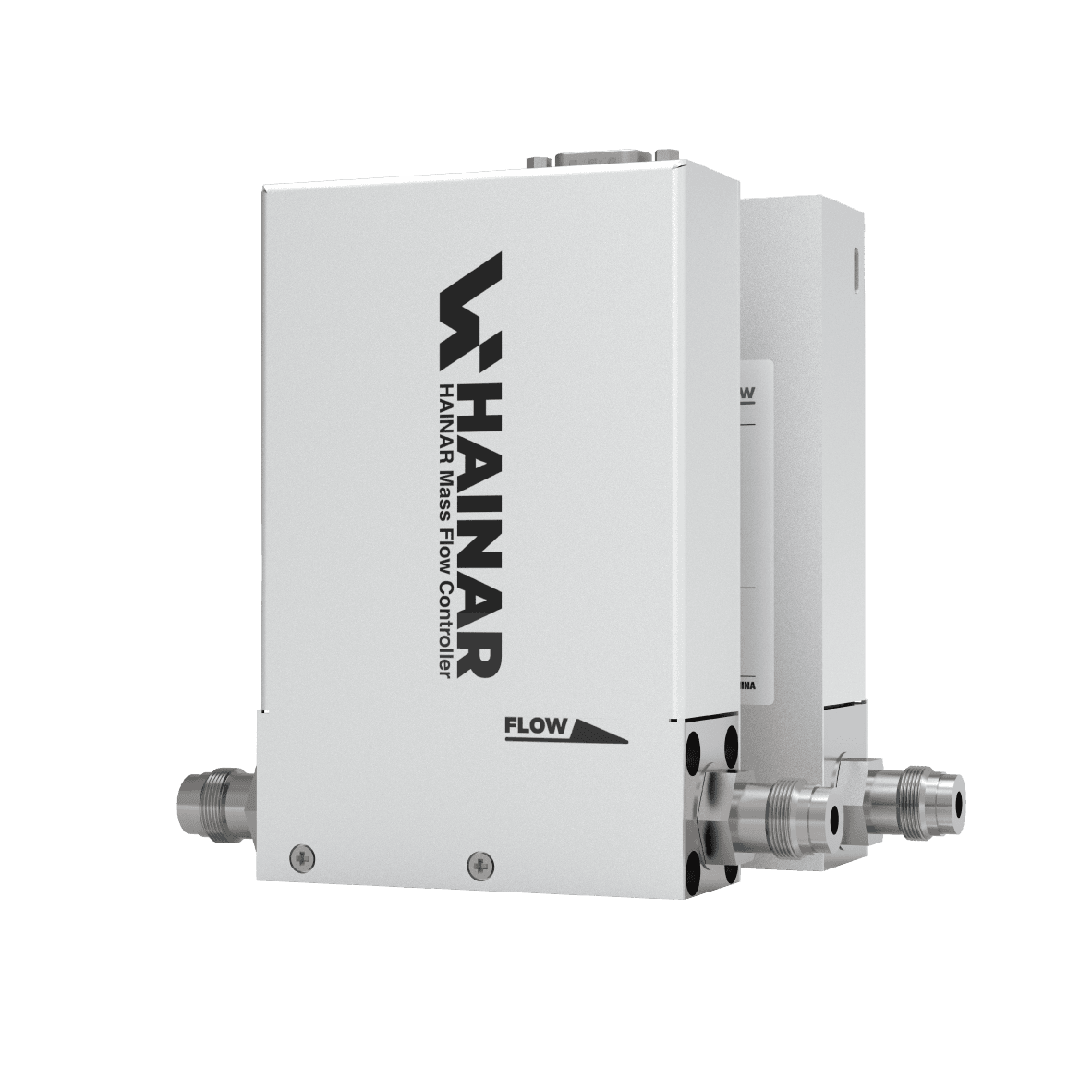
TE100 Thermal Mass Flow Controller
Economical mass flow controller using capillary thermal-differential sensing. Measurement accuracy is independent of temperature and pressure. 316L stainless steel body with maximum working pressure of 450 kPa and traditional solenoid proportional valve - the best solution for cost-sensitive applications.
TE500 Thermal Mass Flow Controller
Thermal mass flow controller for process gas measurement and closed-loop control; configuration confirmed per project.
TE700 Thermal Mass Flow Controller
Thermal mass flow controller for process gas measurement and closed-loop control; configuration confirmed per project.

LTM Liquid Mass Flow Meter
LTM series for liquid mass flow measurement; media and configuration confirmed per project.
LTC Liquid Mass Flow Controller
LTC series for closed-loop liquid mass flow control; media and configuration confirmed per project.
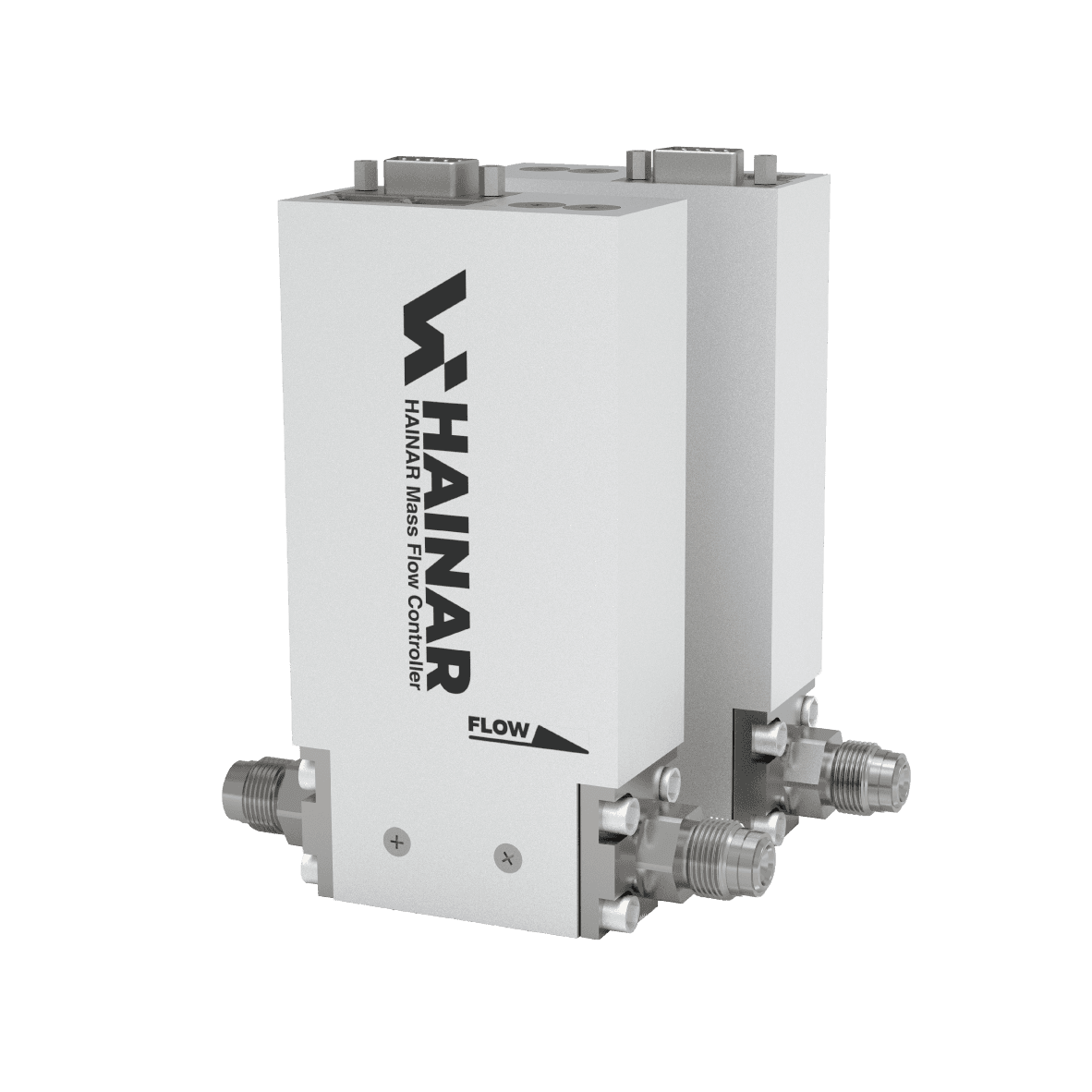
PC Series Pressure Controller
PC series for gas pressure measurement and closed-loop regulation; control position and pressure reference confirmed per project.
HMS-C Residual Gas Analyzer (Faraday Cup)
Residual gas analyzer for precision fluid control and ultra-high-purity gas systems, 1-200 amu. Dual-filament ion source with anti-contamination quadrupole mass filter and Faraday cup detector for trace gas monitoring. Millisecond data acquisition with integrated central control platform.
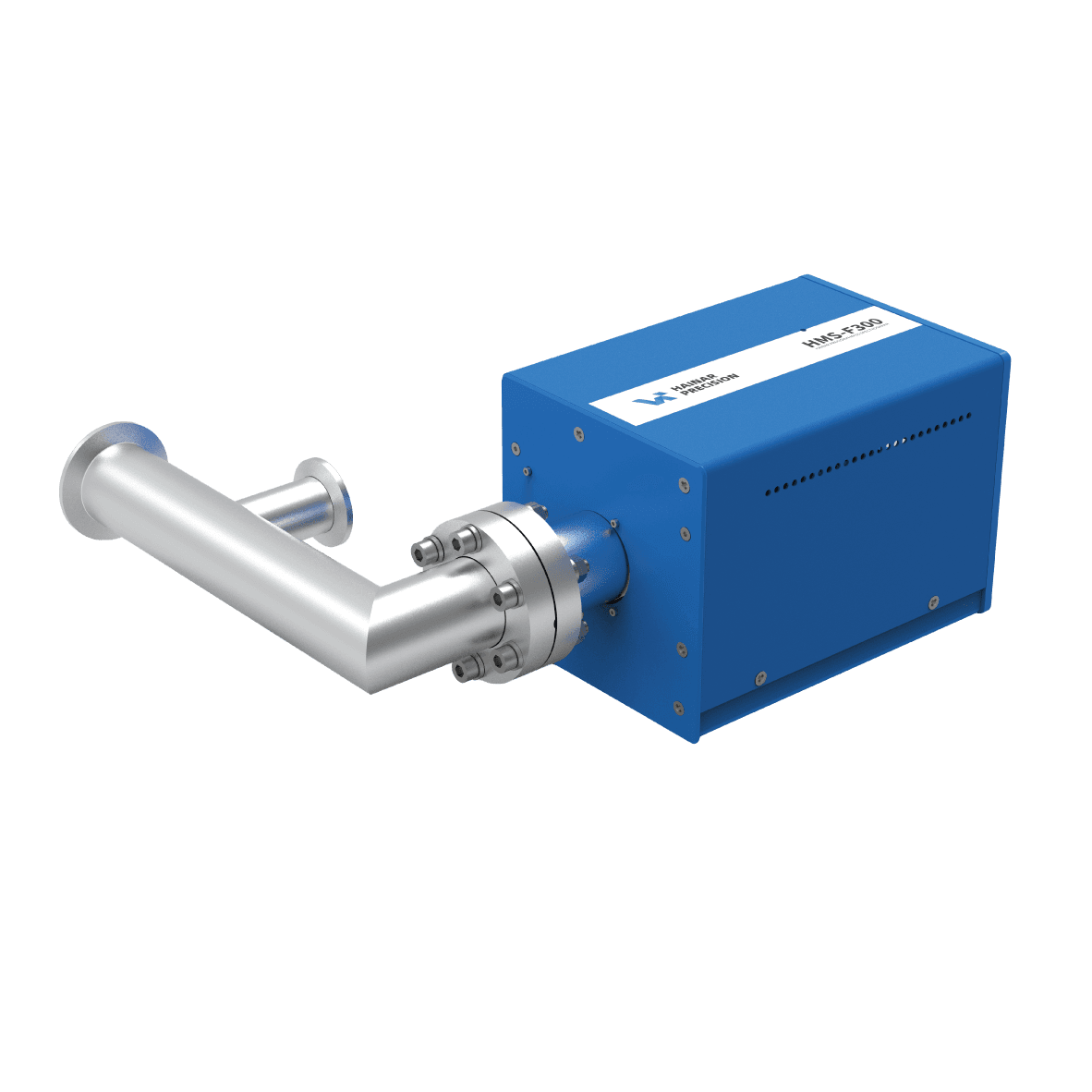
HMS-F Residual Gas Analyzer (Electron Multiplier)
Residual gas analyzer for precision fluid control and ultra-high-purity gas systems, 1-300 amu. Dual-filament ion source with anti-contamination quadrupole mass filter and high-performance electron multiplier detector for trace gas detection.
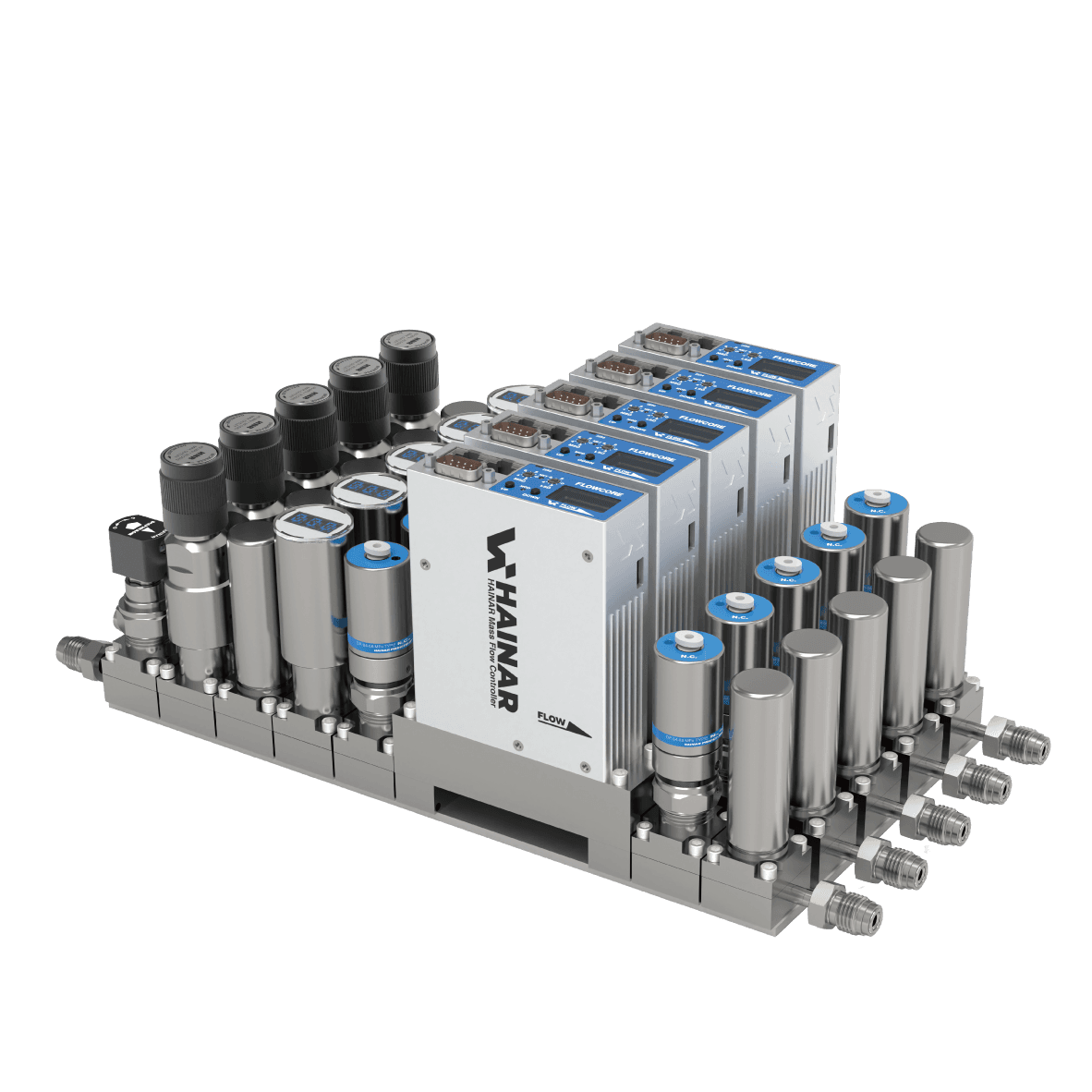
Integrated Gas System
Modular high-purity gas system combining valves, connections and measurement/control components; system boundary confirmed per project.
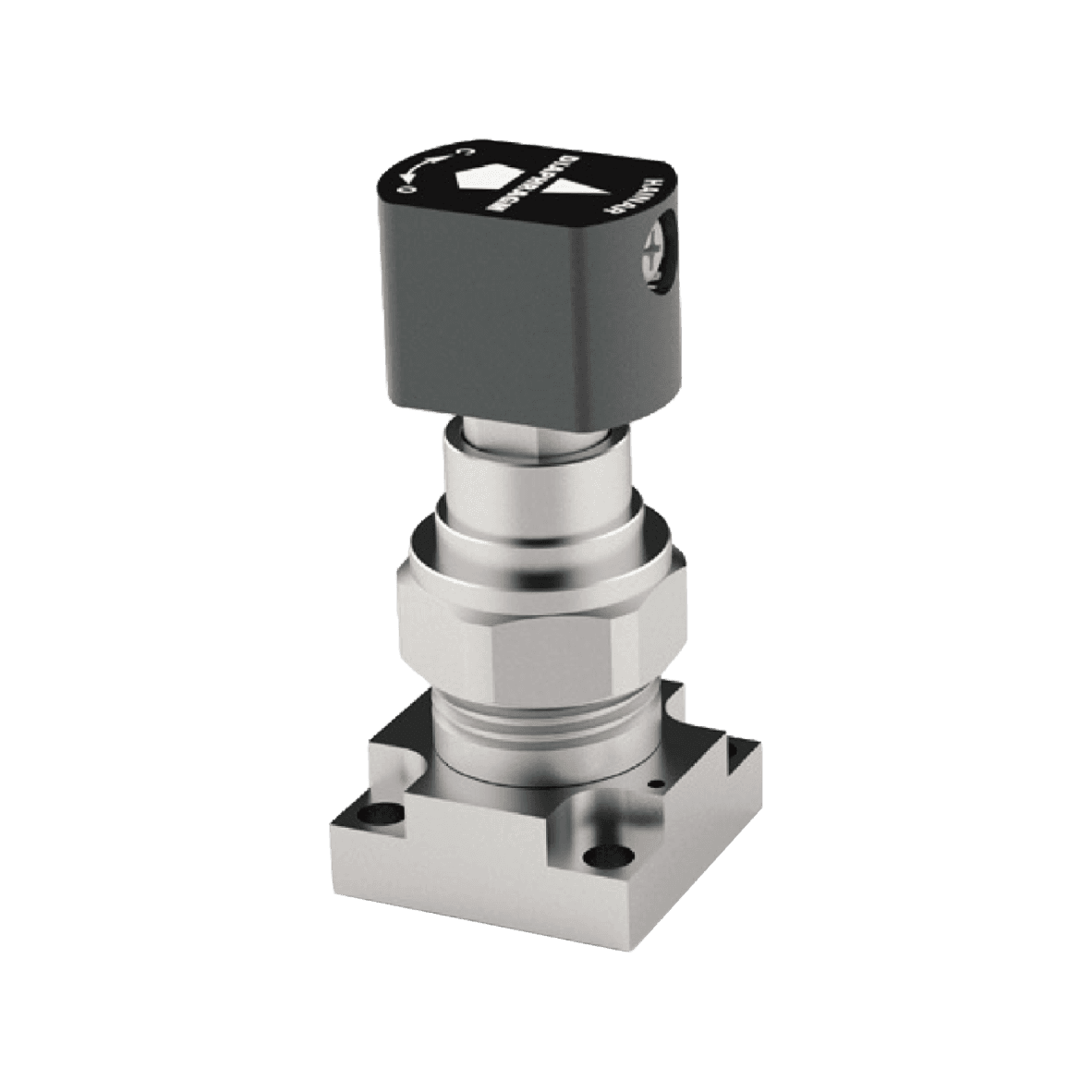
HN DVM Manual Diaphragm Valve
Manually actuated modular diaphragm valve; sealing and material configuration confirmed per project.