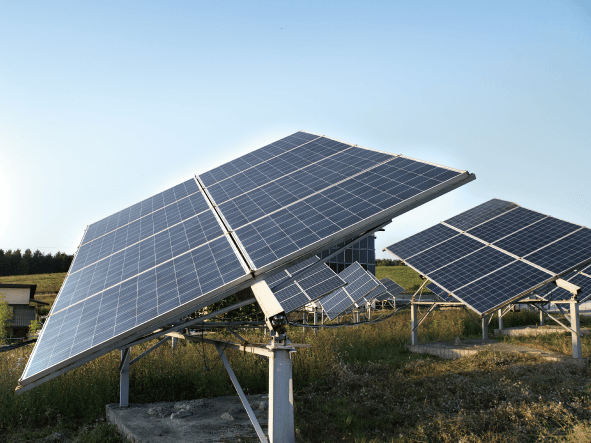
Photovoltaic
High-precision gas flow control and atmosphere management for photovoltaic cell manufacturing and thin-film deposition processes.
Industry Scope
Photovoltaic
New energy processes span material preparation, thin-film deposition and system trials, so gas measurement and control solutions must adapt to each process boundary.
Research and laboratory environments demand both breadth and depth in gas control and vacuum analysis. A residual gas analyzer (RGA) is a quadrupole mass spectrometer that ionizes gas molecules and separates them by mass-to-charge ratio, enabling ppm- to ppb-level qualitative and quantitative analysis of residual gases — a standard tool in vacuum science and surface science.
Key RGA applications include vacuum quality monitoring, leak detection, and outgassing studies: monitoring residual gas in UHV instruments (surface analysis, accelerators, SEM, spacecraft chambers), locating micron-scale leaks with helium tracer gas down to ~10⁻¹³ Pa·m³/s, and measuring temperature-programmed outgassing and permeability. Signature mass peaks — water at mass 18, nitrogen at 28, oxygen at 32 — quickly reveal background and sealing state.
Quadrupole RGAs typically operate below 10⁻⁴ Torr. With Faraday-cup or electron-multiplier detectors, detection limits reach ~5×10⁻¹¹ and ~5×10⁻¹⁴ Torr respectively, spanning more than six orders of dynamic range. Tungsten or yttria-coated iridium filaments (often dual) extend lifetime.
Beyond vacuum analysis, labs rely heavily on mass flow controllers for precise gas blending: mixture calibration, reaction gas setup, atmosphere protection, and parametric experiments all need stable, repeatable delivery per channel. Digital communication and auto-blending let complex multi-channel supplies be programmed from a host.
HNR serves research institutes and universities with residual gas analysis, gas mixing, mass flow control, and vacuum monitoring products, helping teams achieve reproducible conditions and reliable diagnostic data.
Process Path
Key Process Stages
01
Process Preparation
Confirm media purity, gas supply method and purge or replacement procedures.
02
Reaction Control
Organize gas input, pressure boundaries and mixture ratios.
03
State Analysis
Observe vacuum, composition and process changes as required.
04
Data Review
Correlate equipment signals with process results to support subsequent adjustments.
Engineering Constraints
Measurement and Control Challenges
Process Iteration
Ranges and configurations keep changing between R&D and scale-up stages.
Media Diversity
Each gas and liquid requires separate confirmation of compatibility and control method.
Equipment Integration
Test benches and production tools impose different communication and maintenance boundary requirements.
Solution Path
From Operating Conditions to System Configuration
Define measurement and control objectives separately for the R&D, validation and production stages, avoiding a single configuration that does not fit all of them.
Related products
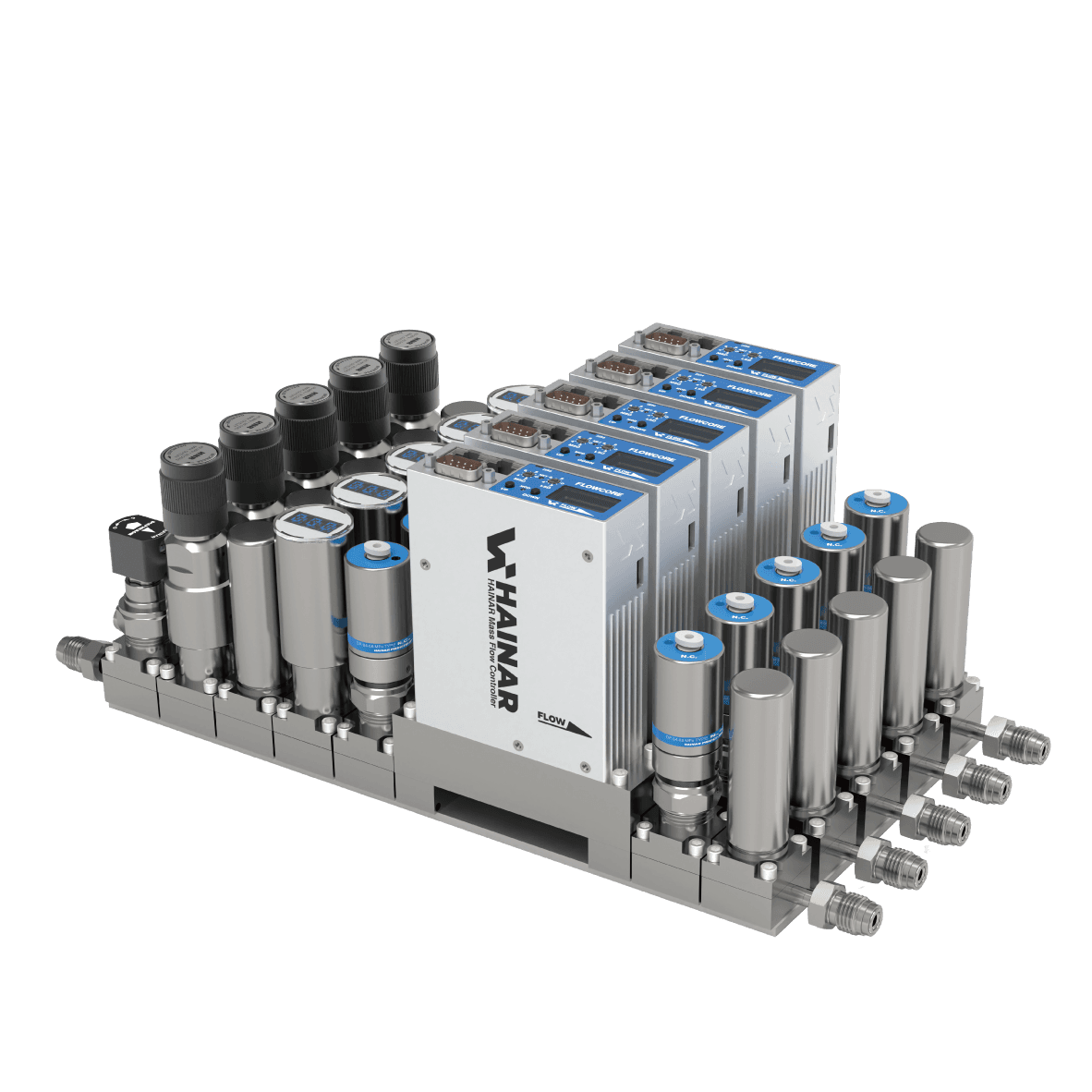
Integrated Gas System
Modular high-purity gas system combining valves, connections and measurement/control components; system boundary confirmed per project.
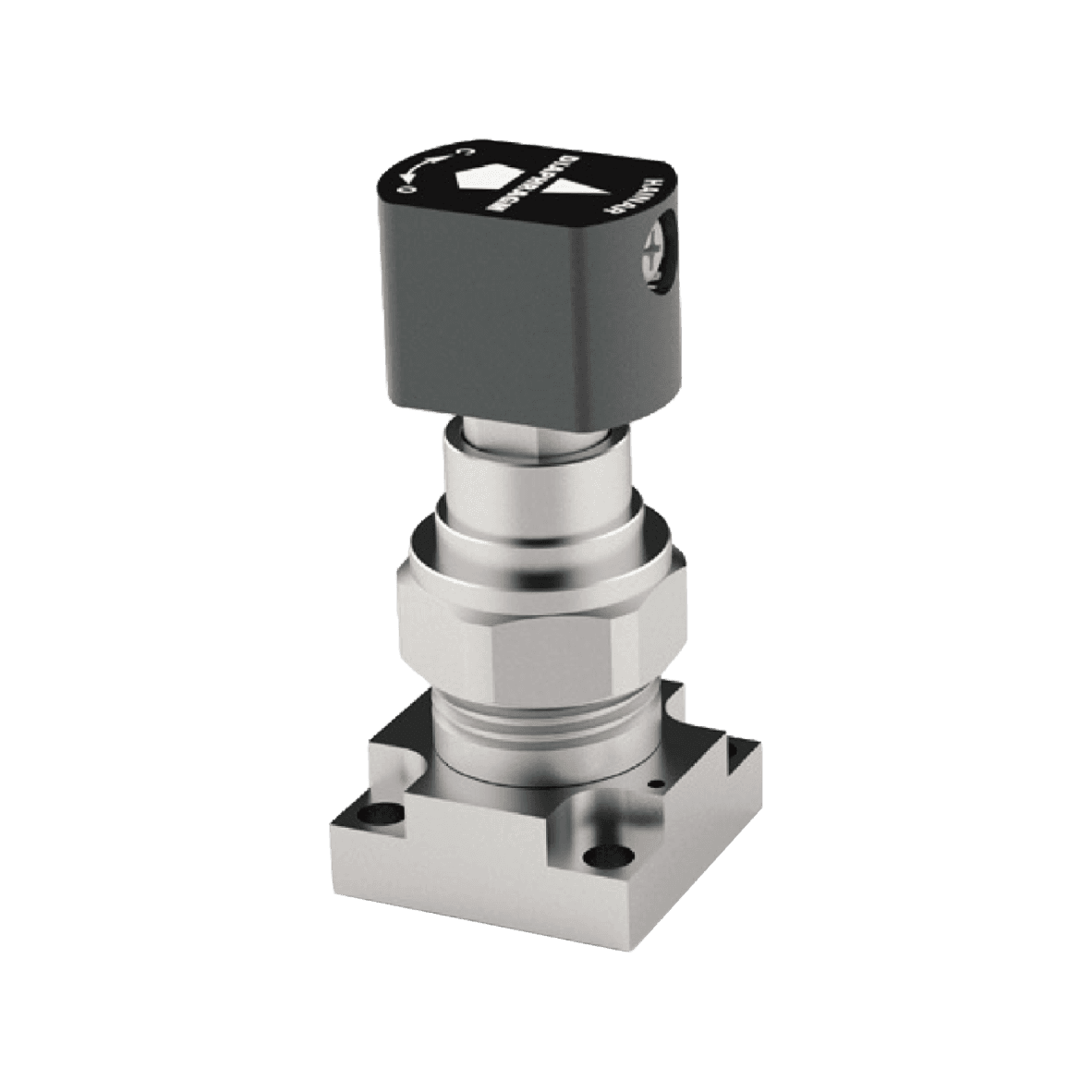
HN DVM Manual Diaphragm Valve
Manually actuated modular diaphragm valve; sealing and material configuration confirmed per project.
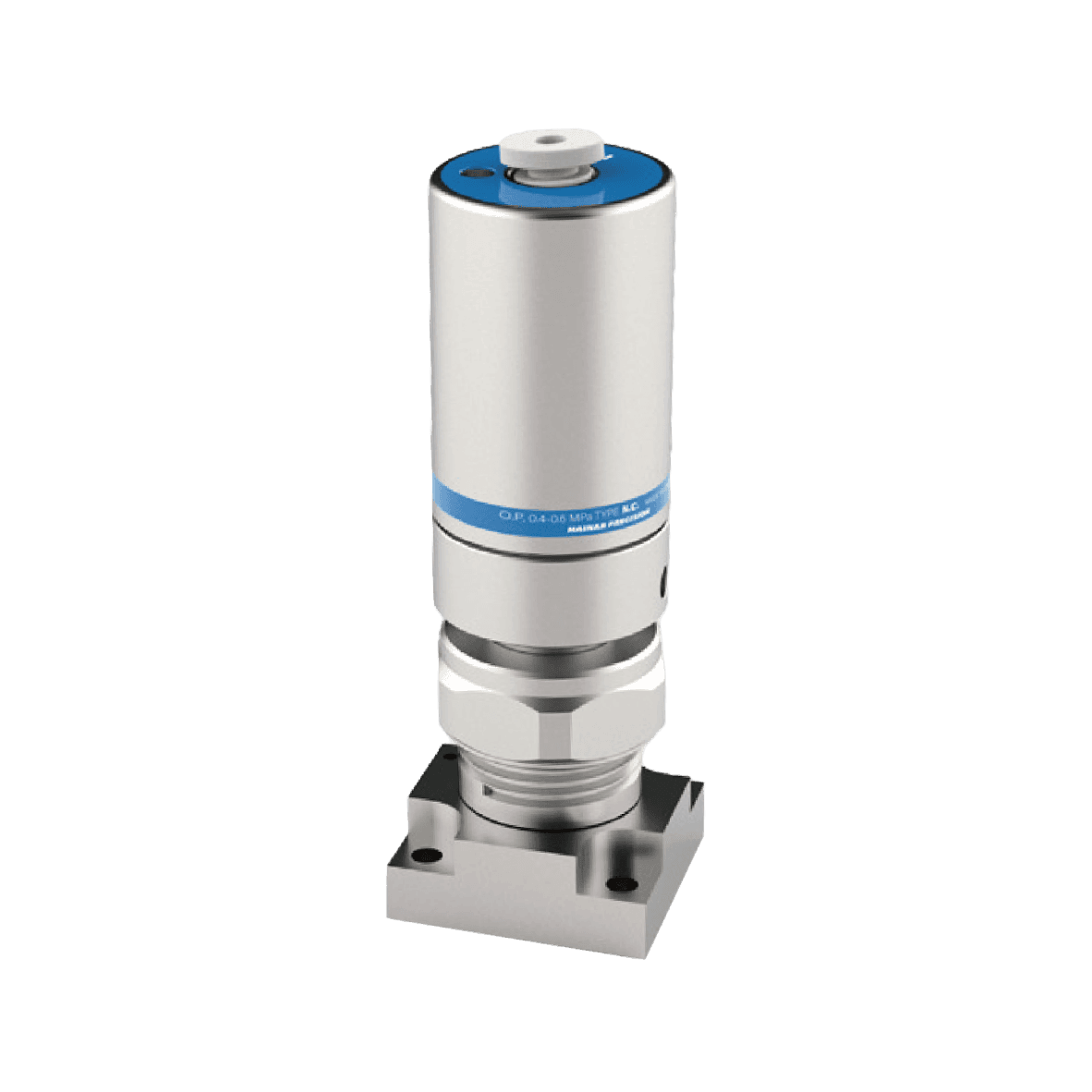
HN DVP Pneumatic Diaphragm Valve
Pneumatically actuated modular diaphragm valve; sealing and material configuration confirmed per project.
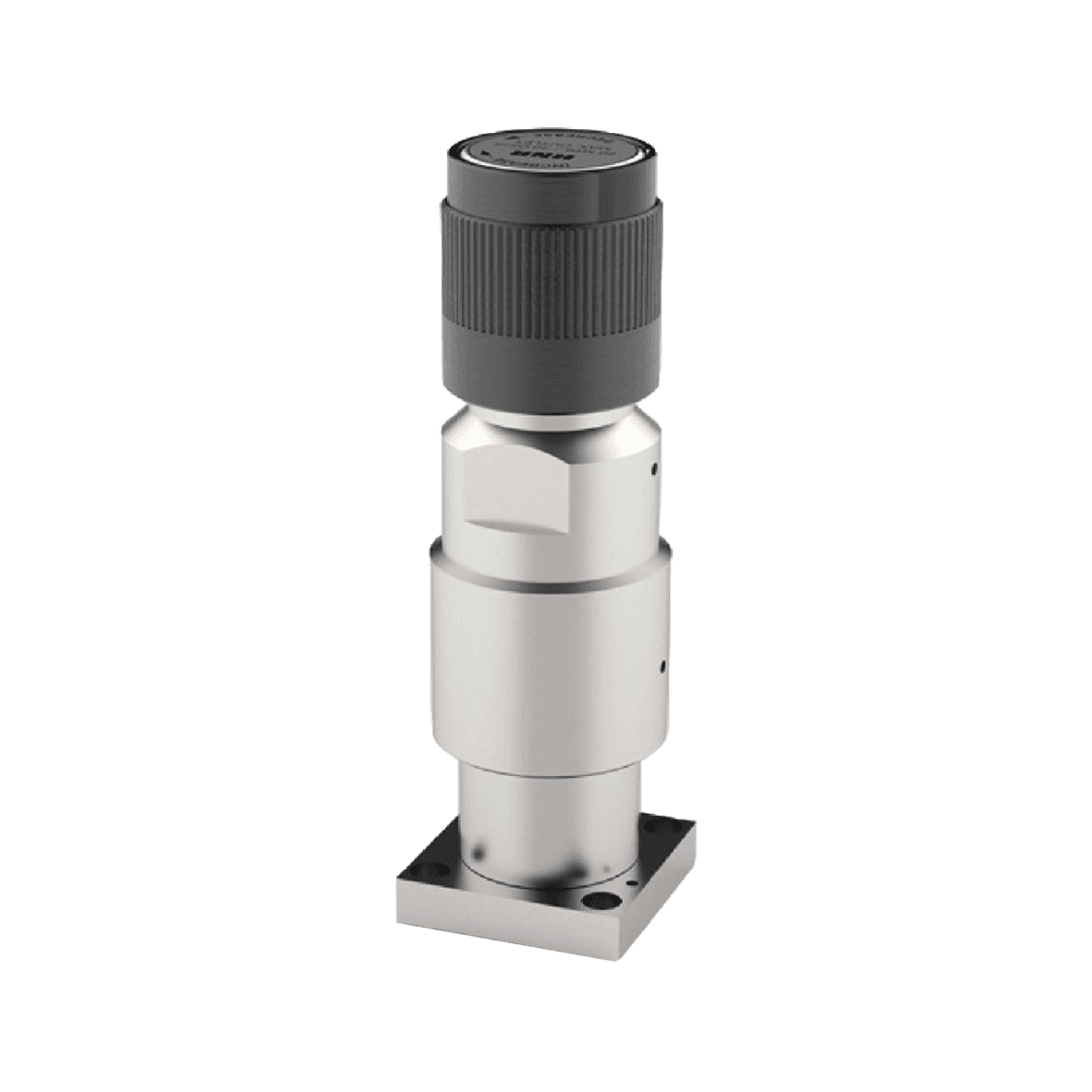
HN PR Pressure Regulator
Pressure regulator for modular gas lines; inlet, outlet and sealing configuration confirmed per project.
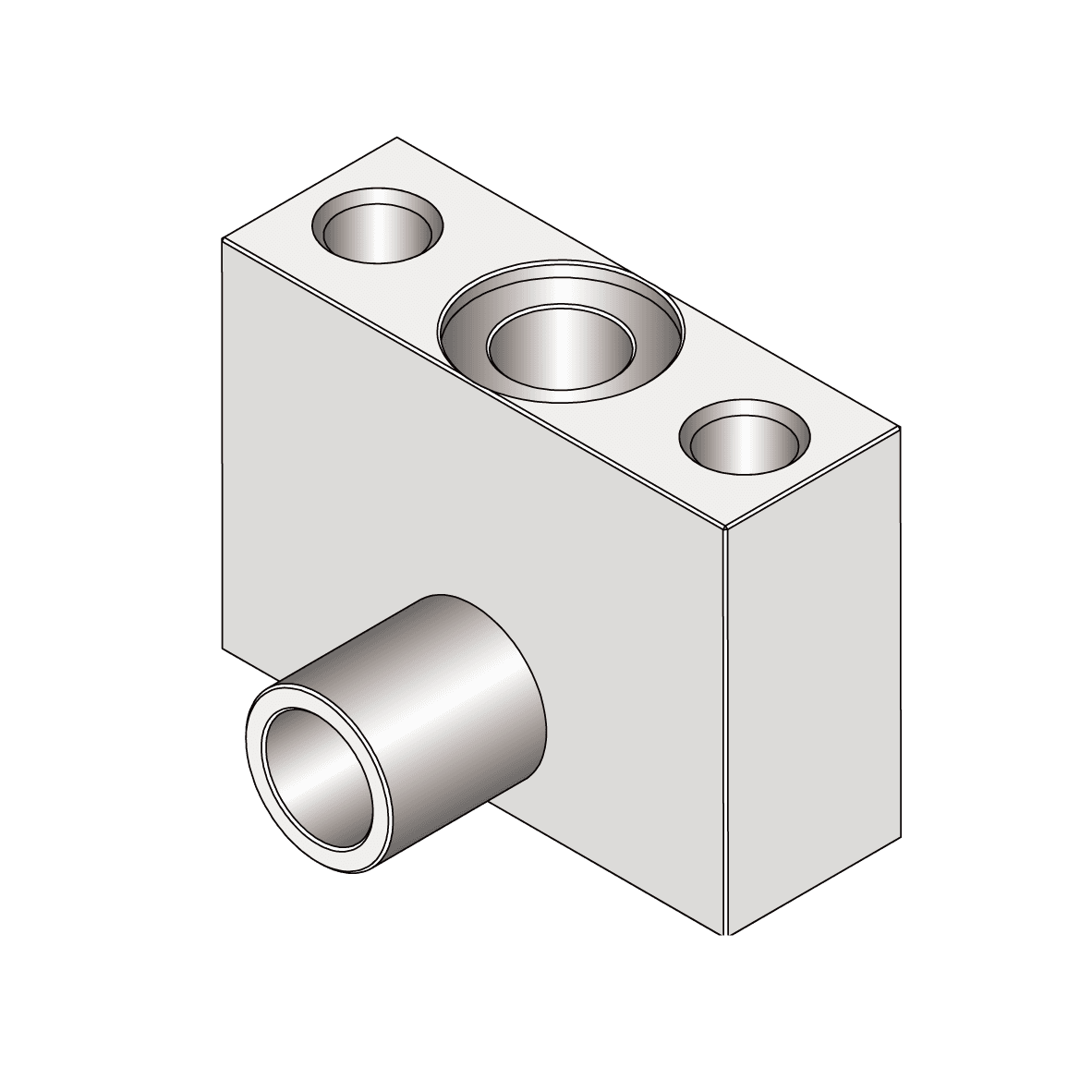
HNCS C-Seal Modular Platform
Bases, manifolds and companion parts for C-Seal modular connections; combinations confirmed per project.
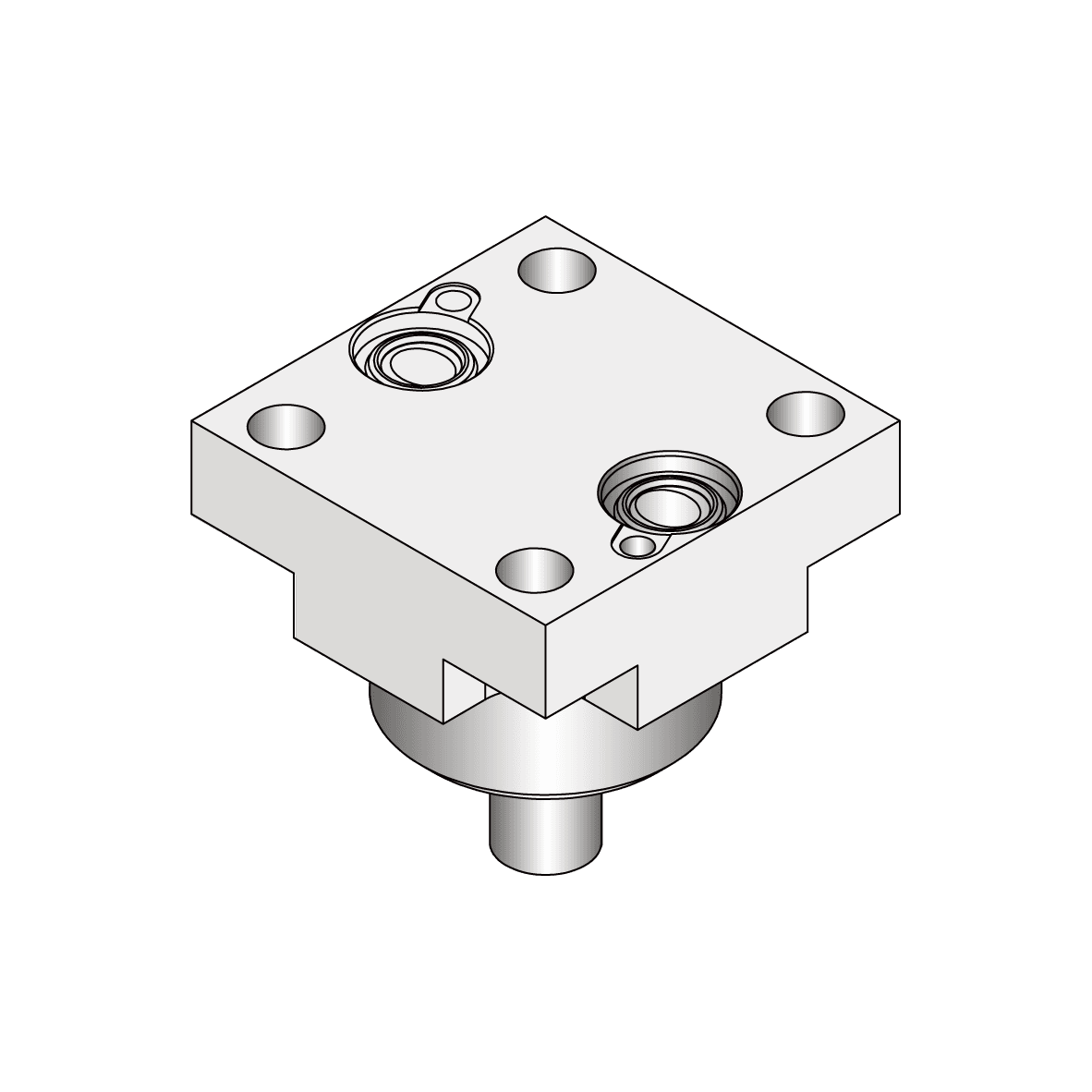
HNWS W-Seal Modular Platform
Bases, manifolds and companion parts for W-Seal modular connections; combinations confirmed per project.

Gas Mixer (GMD)
For gas mixing and distribution requirements; configuration confirmed per project.