
Diamond
Precision gas mixing and process control for CVD diamond growth and high-pressure high-temperature processes.
Industry Scope
Diamond
Industrial process selection must balance stable operation, maintenance accessibility, control system coordination and on-site media conditions.
Chemical vapor deposition (CVD) is the mainstream route to high-quality synthetic diamond. The core principle uses methane as the carbon source and excess hydrogen as the carrier gas at low pressure (~0.1 atm) and high temperature (~800–1000°C), dissociating H₂ into highly reactive atomic hydrogen. Atomic hydrogen preferentially etches non-diamond carbon (graphite) while stabilizing the diamond lattice so carbon atoms attach correctly. Methods are classified by energy input: microwave plasma CVD (MPCVD), hot-filament CVD (HFCVD), and DC-arc plasma jet CVD.
MPCVD generates an electrode-free plasma ball at 2.45 GHz, minimizing contamination and yielding electronic- and gem-grade diamond. Typical recipes use H₂ 300 sccm, CH₄ 15–18 sccm, substrate 700–800°C, chamber pressure 14–15 kPa, growing at 1–5 µm/h. HFCVD decomposes gas on filaments at 2000–2400°C; it is simple, low-cost, and scalable to large areas for tool coatings and polycrystalline diamond, with methane typically 1–1.5% of total flow.
The methane-to-hydrogen ratio is decisive for film quality: too little carbon lowers nucleation density; too much turns grains spherical and raises non-diamond content. Flow must therefore be precise and stable — small drift accumulates into visible composition error over long growth runs.
Epitaxial single-crystal growth demands even tighter stability. In a Shanghai Jiao Tong University HFCVD study, at filament 2200°C, carbon source 4%, and chamber pressure 4 kPa, single crystals grew at 3.41 µm/h with quality exceeding the seed — placing extreme demands on long-term flow stability and repeatability of CH₄ and H₂.
HNR supplies mass flow control, pressure regulation, and gas blending for MPCVD, HFCVD, and arc-jet systems, helping diamond producers and researchers stabilize their process window and improve crystal quality.
Process Path
Key Process Stages
01
Media Preparation
Confirm gas source, filtration, pressure stabilization and material compatibility.
02
Process Execution
Complete flow and pressure regulation according to recipes or setpoints.
03
State Interlocking
Connect critical states into equipment control and alarm logic.
04
Maintenance and Recovery
Define isolation, purging, calibration and restart procedures.
Engineering Constraints
Measurement and Control Challenges
Continuous Operation
Component configuration must account for long-term stability and maintenance cadence.
System Coordination
Gas source, actuators, sensors and supervisory control need unified boundaries.
Site Variations
Installation space, environment and interface conditions affect the final configuration.
Solution Path
From Operating Conditions to System Configuration
Organize the system from the on-site process checklist and control logic; the specific configuration is confirmed per project.
Related products
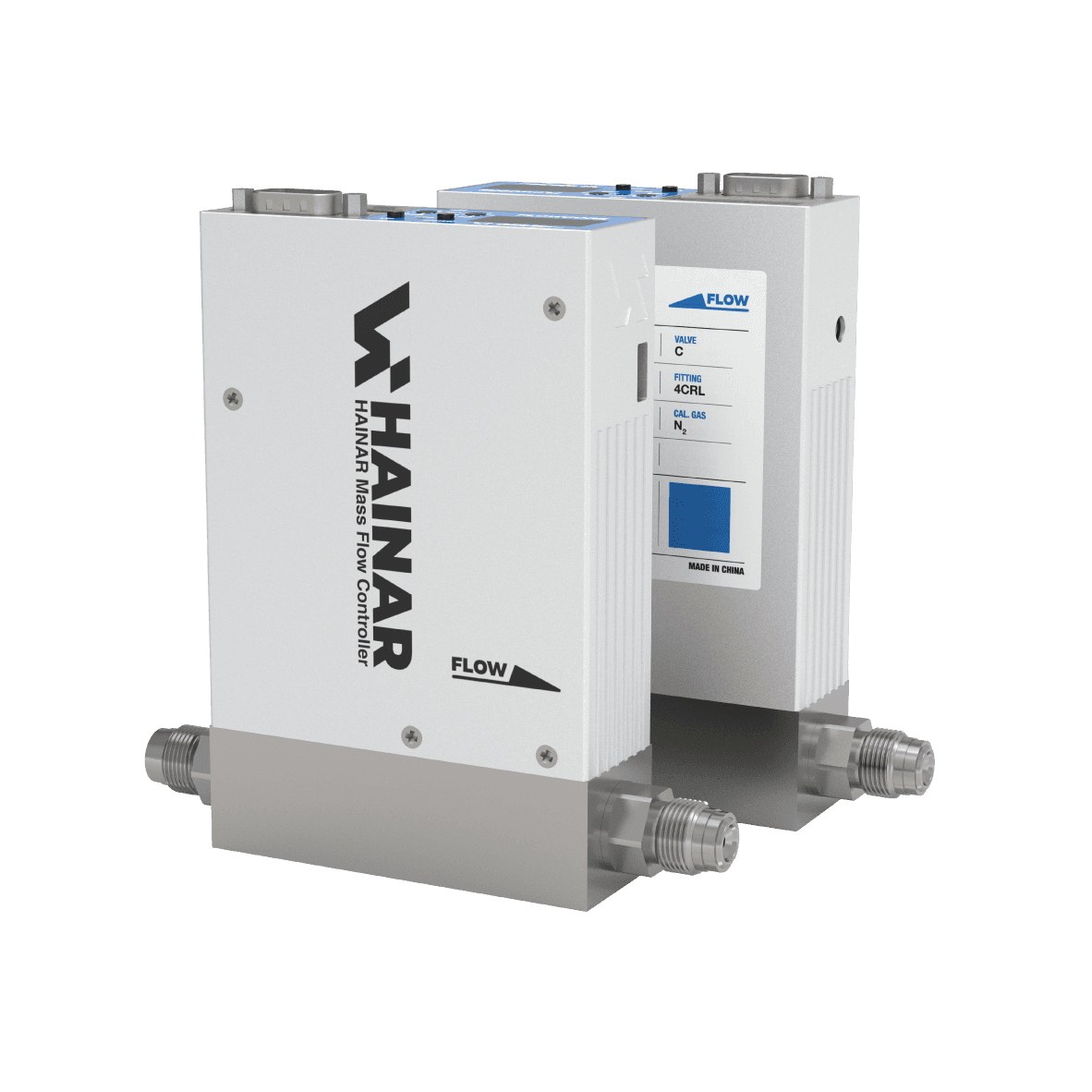
PS300 Differential-Pressure Mass Flow Controller
Differential-pressure mass flow controller for precision fluid control and ultra-high-purity gas systems. High-speed pressure sensors and fast, stable piezoelectric actuators combined with a 32-bit CPU deliver response below 0.8 s across the full flow range. Calibrated against real process gases with a built-in gas property database.
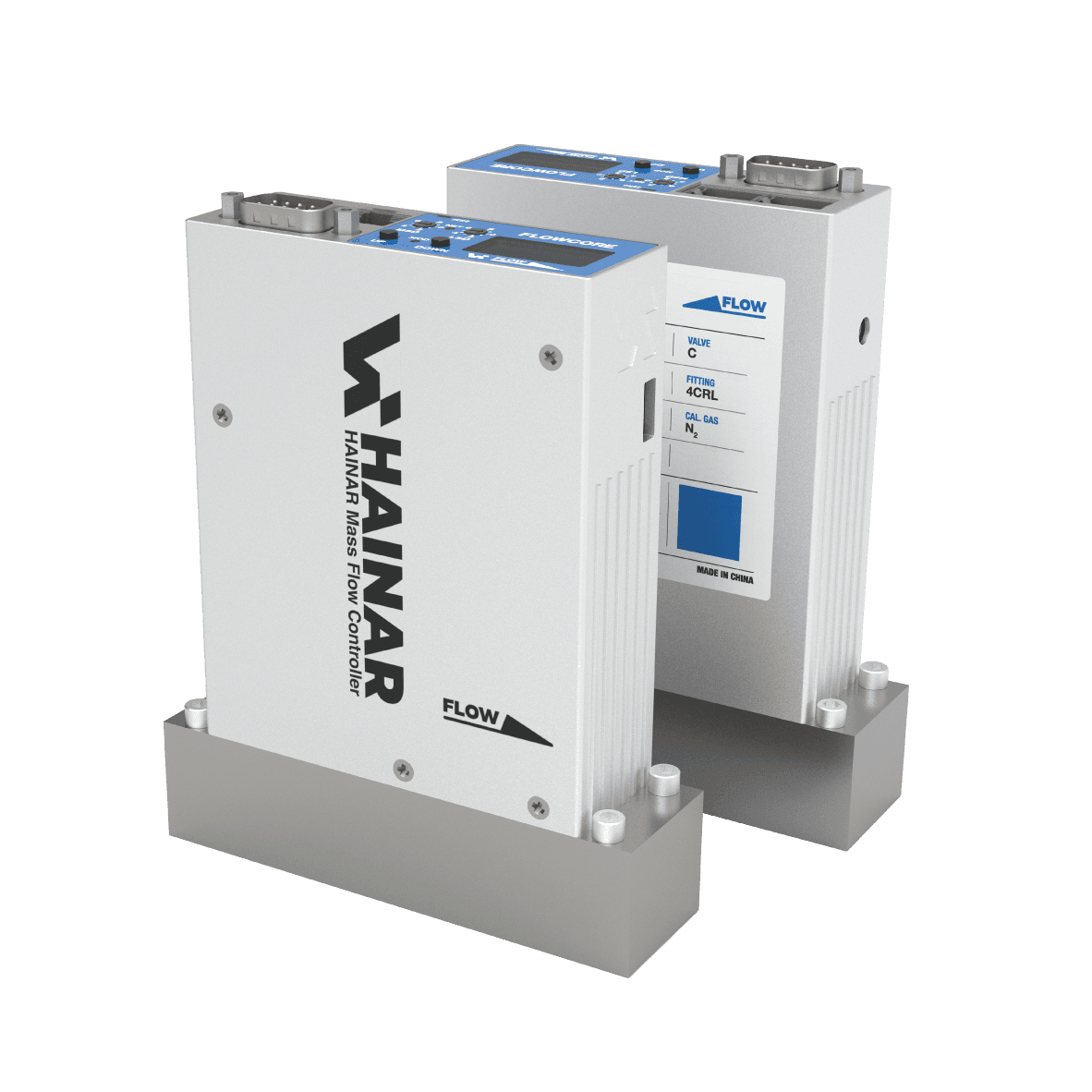
PS500 Differential-Pressure Mass Flow Controller
Precision gas flow control for advanced semiconductor manufacturing. Measures differential pressure across a laminar flow element for high-sensitivity wide-range flow measurement. Low dead-volume piezoelectric metal diaphragm inlet valve with a 2 ms control cycle delivers fast response and high-resolution control.
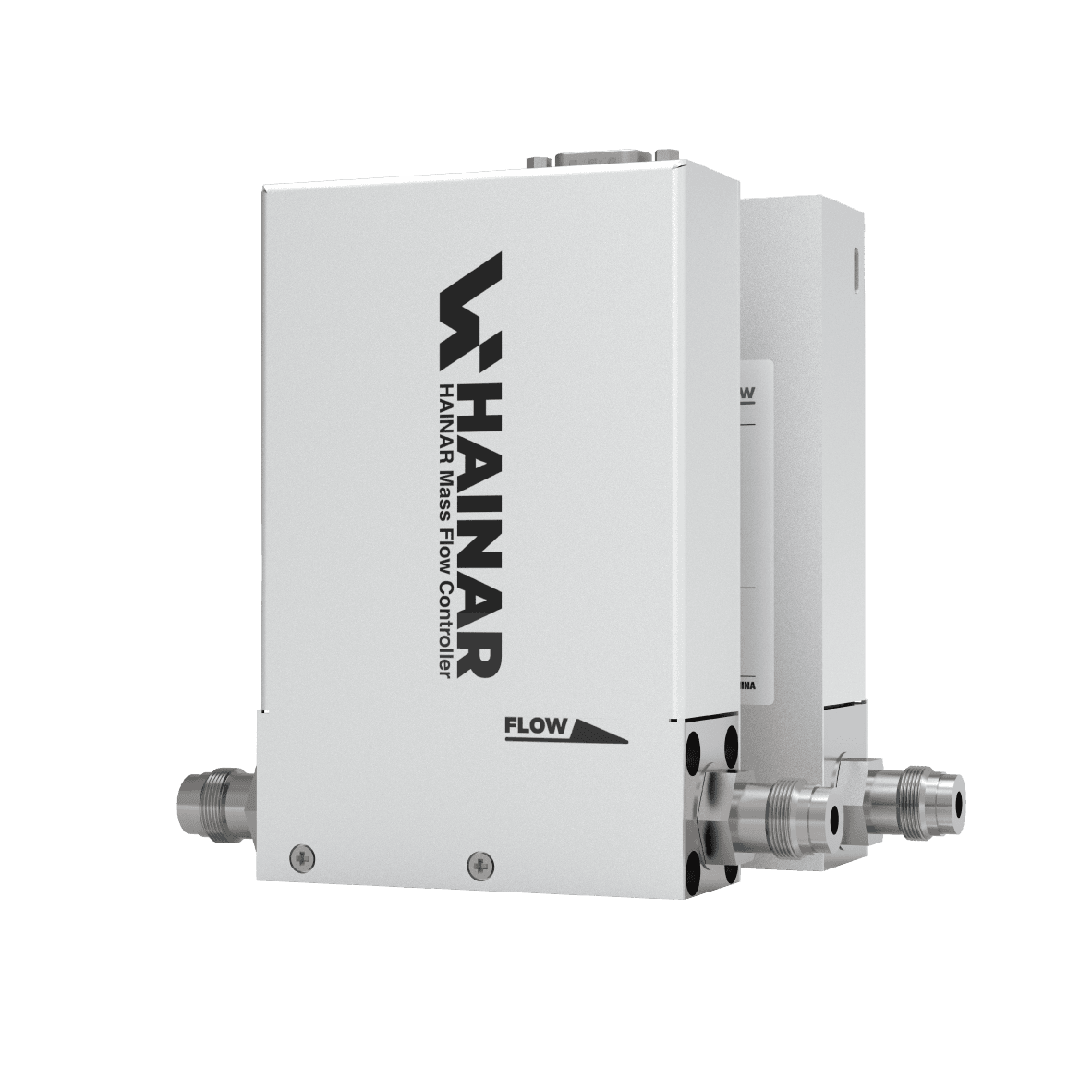
TE100 Thermal Mass Flow Controller
Economical mass flow controller using capillary thermal-differential sensing. Measurement accuracy is independent of temperature and pressure. 316L stainless steel body with maximum working pressure of 450 kPa and traditional solenoid proportional valve - the best solution for cost-sensitive applications.
TE500 Thermal Mass Flow Controller
Thermal mass flow controller for process gas measurement and closed-loop control; configuration confirmed per project.
TE700 Thermal Mass Flow Controller
Thermal mass flow controller for process gas measurement and closed-loop control; configuration confirmed per project.
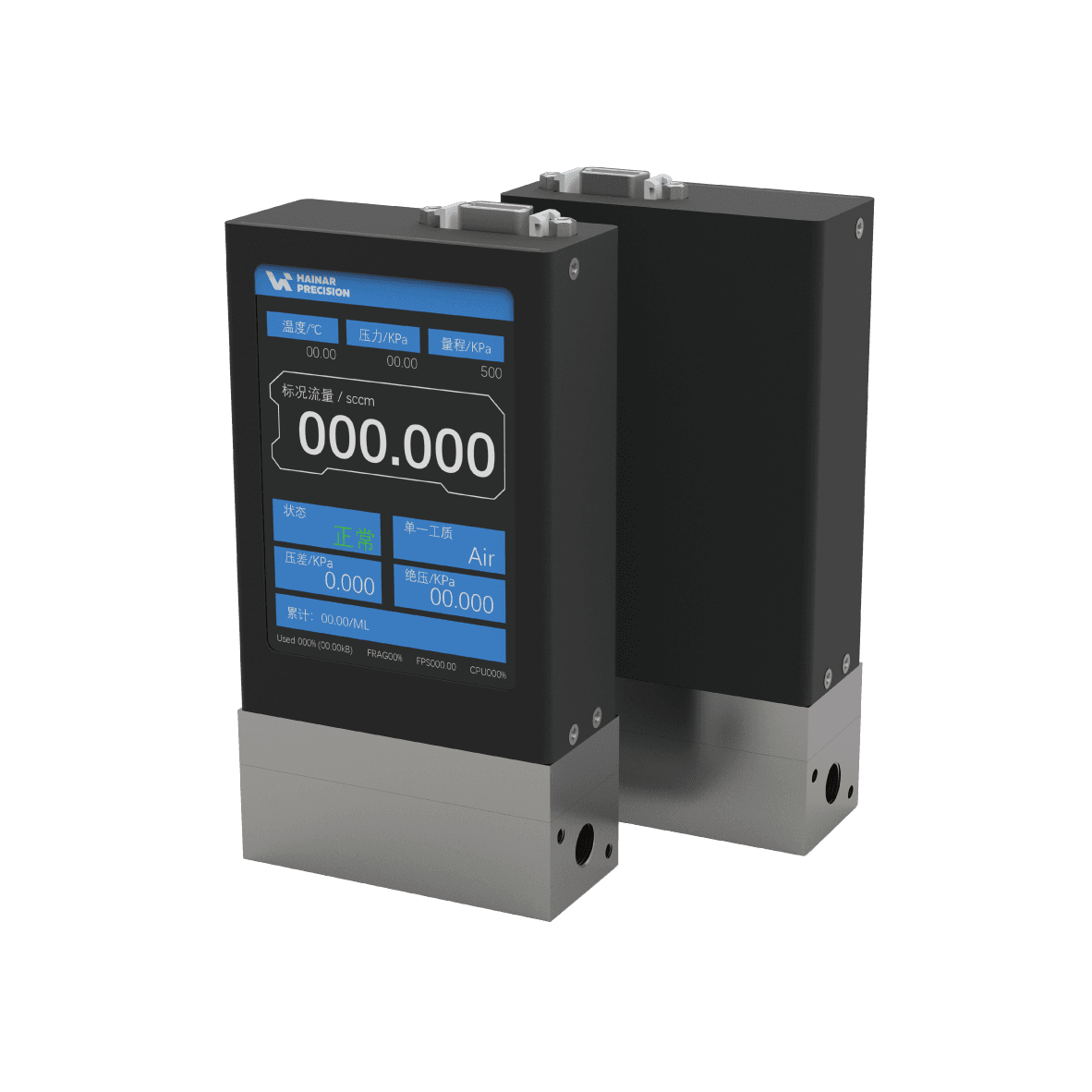
PF500 Mass Flow Meter
PF500 series for gas mass flow measurement and process data acquisition; configuration confirmed per project.