
Analytical & Research
Configurable gas measurement, control, and process recording for vacuum analysis, materials research, and experimental platforms.
Industry Scope
Analytical & Research
Research systems frequently change media, ranges and experimental paths, so transparent configuration, traceable data and clear operating boundaries matter more than any single parameter.
Selection should reserve room for experimental expansion while defining the applicable boundaries of sensing principles, control methods and data interfaces.
Physical vapor deposition (PVD) vaporizes film material into atoms, molecules, or ions in vacuum and deposits it on substrates — widely used for tooling, molds, optics, and decorative coatings. Magnetron sputtering is the most common PVD method: in high vacuum, argon is introduced and ionized by a voltage to strike the target; a magnetic field confines electrons near the target, raising plasma density and sputtering efficiency.
Process gas flow determines film composition and quality. Argon is the inert working gas that establishes the discharge environment; reactive sputtering blends nitrogen, oxygen, acetylene, or methane with argon to form compound films — e.g., TiN deposition uses nitrogen, AlN uses an aluminum target plus nitrogen. Because reactive-gas partial pressure depends on the ratio of each gas flow to total pressure, precise mass-flow control of every channel is the prerequisite for a stable film stoichiometry.
Vacuum quality strongly affects film properties. Background vacuum is typically 10⁻³–10⁻⁴ Pa to limit contamination, while working pressure sits around 10⁰–10⁻¹ Pa. During coating, gas inflow is continuous and PID control modulates pump speed to hold pressure while flow control keeps the plasma stable across the ignition–transition–sputtering phases.
Flow accuracy shows up directly as consistent film color and adhesion: small ratio deviations in argon/nitrogen/acetylene cause color drift and adhesion variation. MFCs provide high accuracy, fast response, and a wide pressure range, making them the common choice for automated gas blending in coating tools.
HNR supplies flow control, pressure regulation, and residual gas monitoring for vacuum coating systems, helping teams stabilize process repeatability and shorten recipe tuning.
Process Path
Key Process Stages
01
Experiment Definition
Sort out media, variables, expected phenomena and safety boundaries.
02
Measurement and Control Configuration
Choose flow, pressure or composition measurement paths and define data interfaces.
03
Baseline Recording
Establish reference data for blanks, backgrounds and steady-state periods.
04
Iterative Validation
Re-check ranges, installation and control strategy as experiments evolve.
Engineering Constraints
Measurement and Control Challenges
Frequently Changing Conditions
A single platform may face multiple media and experimental conditions.
Data Correlation
Instrument data must be synchronized with experimental steps and equipment state.
Extensibility and Compatibility
New branches or measurement points should reuse existing interfaces where possible.
Solution Path
From Operating Conditions to System Configuration
Define experimental variables and recording methods first, then confirm measurement ranges, control objects and system integration boundaries.
Related products
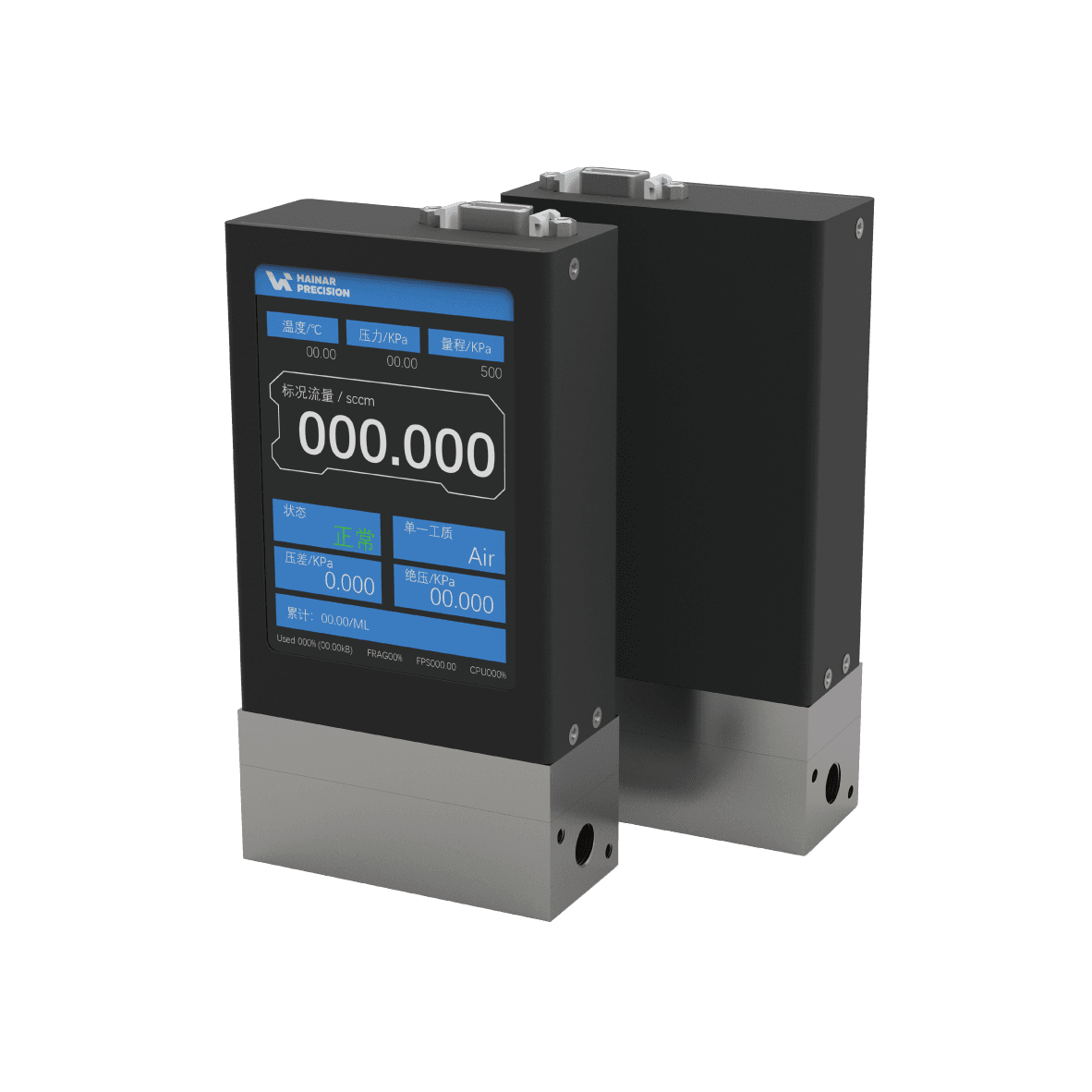
PF500 Mass Flow Meter
PF500 series for gas mass flow measurement and process data acquisition; configuration confirmed per project.
HMS-C Residual Gas Analyzer (Faraday Cup)
Residual gas analyzer for precision fluid control and ultra-high-purity gas systems, 1-200 amu. Dual-filament ion source with anti-contamination quadrupole mass filter and Faraday cup detector for trace gas monitoring. Millisecond data acquisition with integrated central control platform.
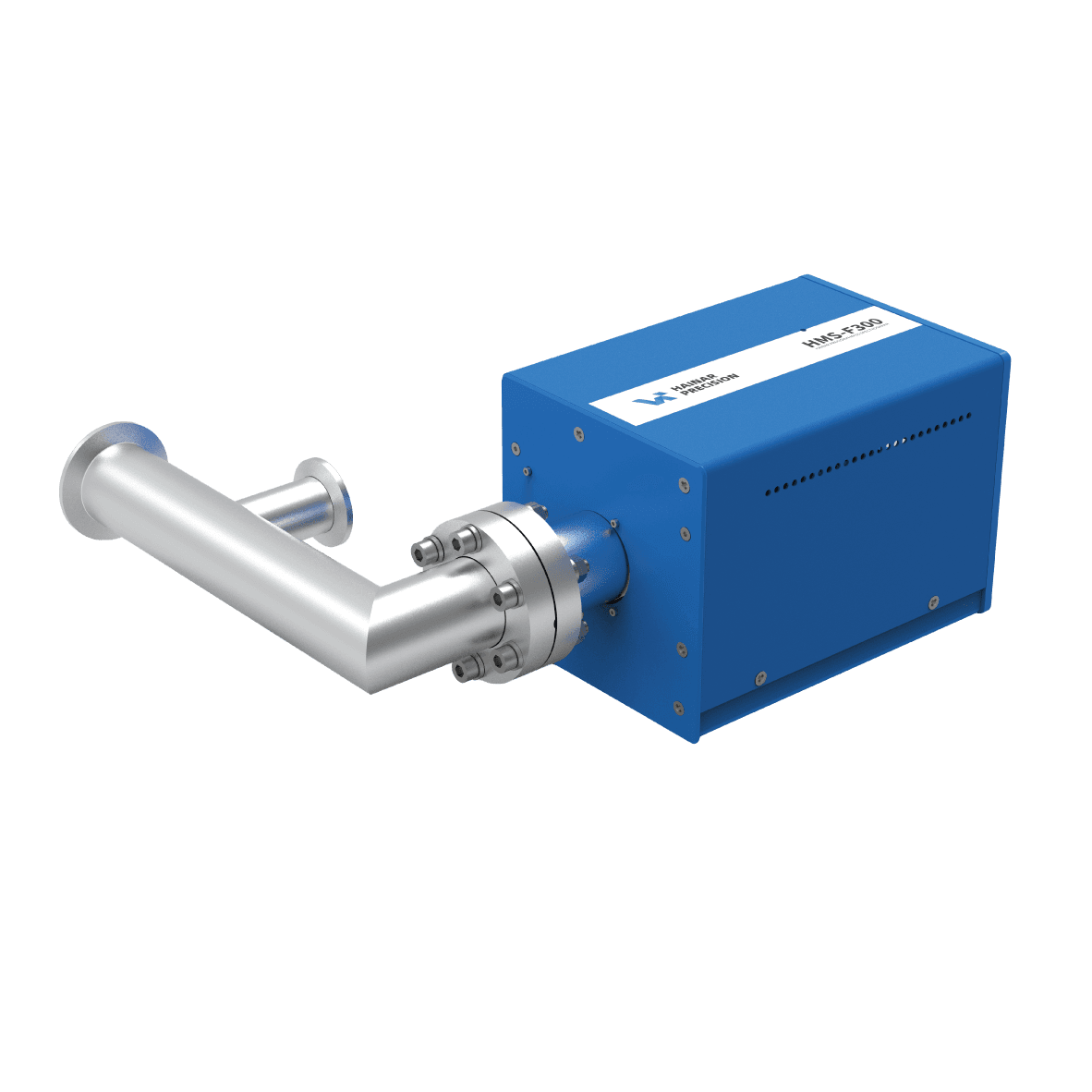
HMS-F Residual Gas Analyzer (Electron Multiplier)
Residual gas analyzer for precision fluid control and ultra-high-purity gas systems, 1-300 amu. Dual-filament ion source with anti-contamination quadrupole mass filter and high-performance electron multiplier detector for trace gas detection.

High-Precision Vacuum Gauge
For vacuum system measurement requirements; configuration confirmed per project.